
Discovering Theodor Fontane—A Master of German Realism
Social history in a conversational tone

He was a poet, a journalist, a novelist. Chances are that, as a German child, you will get to know at least one piece of his work at school. He is one of the dead old white men of the canon. Should YOU read Fontane? Well, fellow reader, follow along:
In the pantheon of 19th-century European literature, Theodor Fontane (1819–1898) stands as a luminary whose works illuminate the intricacies of human experience within the tapestry of Prussian society. Regarded by many as the foremost German-language realist author of his era, Fontane’s novels, penned in the twilight of his career, offer a compelling blend of poetic elegance, psychological insight, and incisive social critique. For English-speaking readers with a passion for literature, Fontane’s oeuvre presents an opportunity to engage with a writer whose exploration of universal themes—love, class, morality, and societal transformation—transcends cultural and temporal boundaries.
This essay invites you to discover Fontane’s literary legacy, accessible through excellent English translations and enriched by his unique perspective as an anglophile observer of European life.
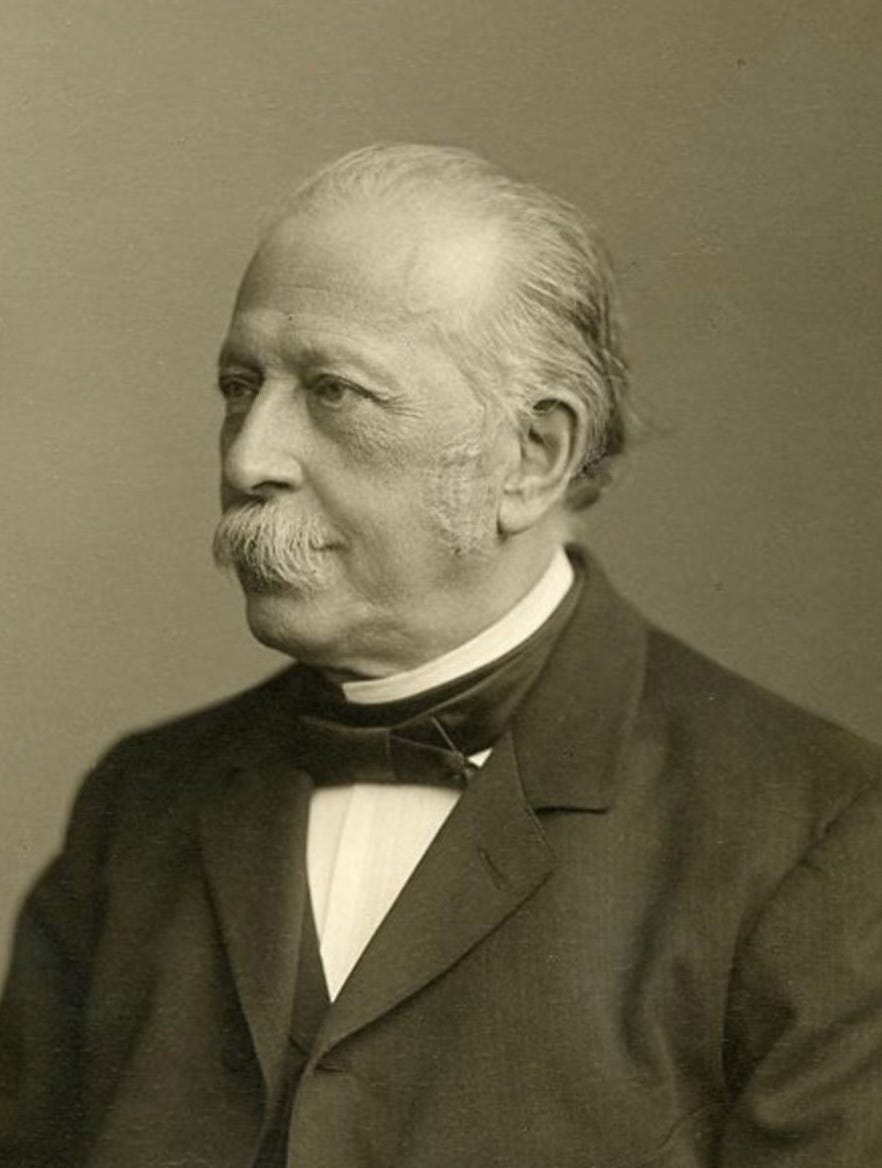
Fontane’s Literary Legacy
Born in Neuruppin, Prussia, Fontane’s journey to literary prominence was unconventional. Initially trained as a pharmacist, he transitioned from journalism and poetry to novel-writing at the age of 58, beginning with Vor dem Sturm(1878). His subsequent works, including Effi Briest (1895), Frau Jenny Treibel (1893), and Der Stechlin (1899), established him as a master of poetic realism. Unlike the deterministic naturalism of contemporaries like Émile Zola, Fontane’s realism focuses on the delicate interplay between individuals and their social milieu. His novels are characterized by “impressionistic” prose and tender irony, as noted in scholarly analyses, which reveal the tensions of 19th-century Prussian society through richly developed characters and subtle narrative techniques.
Fontane’s works delve into topics that were often taboo in the polite society of his day, such as marital infidelity, class disparities, and the constraints of social norms. In Effi Briest, for instance, he portrays the tragic consequences of rigid societal expectations on a young woman, while his last novel Der Stechlin offers a reflective meditation on the decline of the Prussian aristocracy, blending humor with melancholy. His ability to weave personal narratives with broader social commentary marks him as a pivotal figure in the evolution of German literature, bridging the romanticism of the early 19th century with the modernism of the 20th century.
A Bridge to English-Speaking Readers
For English-speaking audiences, Fontane’s works are both accessible and profoundly relevant. His novels have been translated into English by esteemed publishers, ensuring that his lyrical prose and nuanced storytelling are preserved for non-German readers. Effi Briest, available in a celebrated translation by Douglas Parmée (New York Review of Books), is a standout example, capturing the novel’s emotional depth and social critique. Similarly, Persephone Books has made Fontane’s works available, broadening their reach to English-speaking literary enthusiasts. Scholarly studies, such as Alan Bance’s Theodor Fontane: The Major Novels (Cambridge University Press, 1982), provide critical context, underscoring Fontane’s international significance and his influence on European literary traditions.
Fontane’s anglophile tendencies further enhance his appeal to English-speaking readers. A lifelong admirer of English literature, he translated Shakespeare and spent significant time in London as a press attaché during the 1850s, as documented in sources like the British Library’s blog on “Theodor Fontane’s British Wanderings”.1 His travel writings about Britain offer a unique perspective on 19th-century British society, reflecting his keen observational skills and cultural curiosity. This cross-cultural engagement makes Fontane a literary bridge between German and English traditions, inviting readers to explore his works through a lens of shared literary heritage.
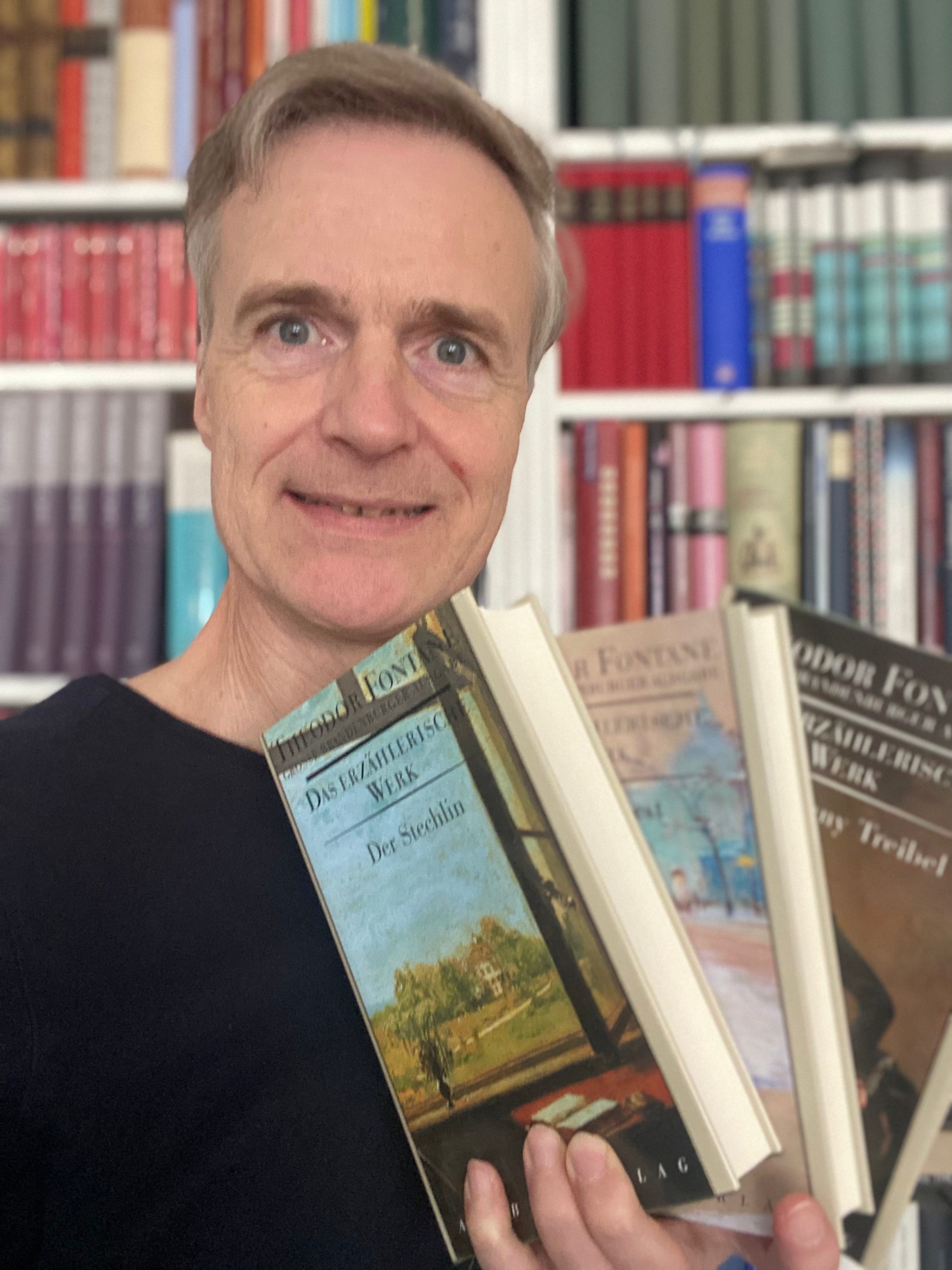
Universal Themes and Contemporary Resonance
Fontane’s novels resonate with universal themes that remain strikingly relevant today. His exploration of societal constraints, individual agency, and the complexities of human relationships speaks to readers across cultures and eras. In Effi Briest, the tragic story of a young woman whose life is undone by an affair and societal ostracism critiques the oppressive norms of Prussian society, echoing themes of gender roles and moral hypocrisy found in English literature, such as Jane Austen’s Pride and Prejudice or George Eliot’s Middlemarch. Similarly, Der Stechlin reflects on social change and the passage of time, offering insights into class dynamics and cultural transitions that parallel modern discussions of societal evolution.
As noted in a recent edited volume, Fontane’s works address issues like class conflict, gender roles, and societal transformation, which continue to resonate with contemporary audiences.2 His focus on strong female characters and the challenges of domestic life, as seen in L’Adultera (1882; The Woman Taken in Adultery), underscores his engagement with gender dynamics, making his novels particularly compelling for readers interested in social history and feminist perspectives.
An Invitation to Read
For those eager to embark on a literary journey with Fontane, Effi Briest is an ideal starting point. Often compared to the works of Gustave Flaubert and Henry James for its psychological depth, this novel tells the story of Effi, a young woman whose innocence is crushed by the inflexible codes of her society. Its elegant prose and poignant commentary on human nature make it a timeless classic, accessible in English translations that preserve its emotional and intellectual richness.
Cécile , a novel preceding Effi Briest, also delves into themes of social class, gender roles, and the constraints of societal expectations, offering a deep psychological study of Cécile von St. Arnauld’s internal struggles. It highlights the tension between personal desire and social obligation, reflecting Fontane’s interest in portraying women’s lives within Prussian society.
Another compelling choice is Der Stechlin, which offers a reflective and humorous exploration of a changing world, ideal for readers who enjoy layered narratives that blend personal and societal perspectives. The contrast between Berlin and the more rural settings, interactions between members of different classes, and artfully developed dialogue will catch the reader’s attention.
Fontane’s novels are not only literary masterpieces but also windows into a fascinating historical period. His ability to combine poetic expression with social critique ensures that his works are both entertaining and thought-provoking, inviting readers to reflect on the complexities of human life and society. For English-speaking audiences, discovering Fontane means engaging with a writer whose insights into human nature and societal dynamics are as relevant today as they were in the 19th century.
Fontane’s Lasting Impact
Fontane’s influence extends beyond German literature, as evidenced by his recognition in English-speaking literary circles. His novels are sparkling and polished, offer a delicate irony, and psychologically astute. This presents an opportunity for English-speaking audiences to discover a literary treasure whose works have been adapted into films and audio works, further testament to their enduring appeal.
Comparisons with English realist authors like Jane Austen and Anthony Trollope highlight Fontane’s ability to craft narratives that are both socially incisive and deeply human. His novels, which sold well during his lifetime, continue to captivate readers with their complex, often skeptical view of Fontane’s contemporary society. For literature enthusiasts, his writings offer a chance to explore a unique voice that complements and enriches the canon of European realism.
Conclusion
Theodor Fontane’s literary legacy is a testament to the power of storytelling to illuminate the human condition. His novels, with their intricate character studies, subtle irony, and profound social insights, invite readers to reflect on the interplay between individual desires and societal constraints. For English-speaking audiences, Fontane’s works offer a gateway to German realism, enriched by his anglophile perspective and accessible through high-quality translations. Whether through the tragic elegance of Effi Briest, the irony displayed in Frau Jenny Treibel or the reflective depth of Der Stechlin, Fontane’s novels promise a rewarding literary experience that bridges cultures and eras. Embark on this journey with Fontane, and discover a writer whose voice continues to resonate with clarity and grace.
Other Texts I wrote:
John B. Lyon, Brian Tucker (eds.), Fontane in the Twenty-First Century, 2019